


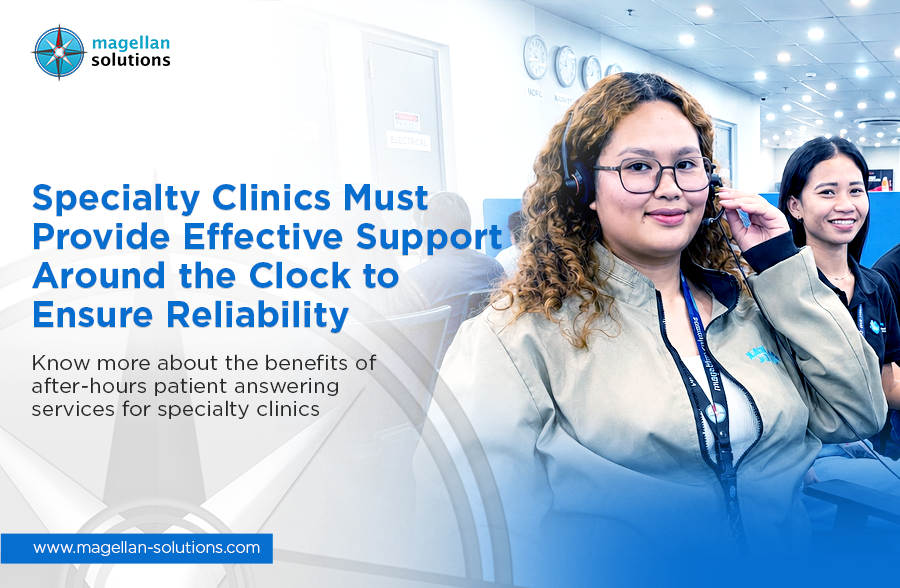
At 9pm, a specialty clinic’s phone line becomes a question about judgment. The patient calling might have a routine question about tomorrow’s appointment, or might be three days out from a procedure and describing something your surgeon would want to know about tonight. A voicemail box treats both calls the same way. After-hours and on-call coverage exists to treat them differently. How well it does depends on how you set it up, and most of the setup is work your own team does before the first call is answered.
Start With the Calls You Actually Get
Before writing anything, find out what currently happens after you close. Two or three weeks of voicemails and on-call phone logs, sorted by what the caller wanted, usually show three groups:
- Calls that can wait for morning: rescheduling, directions, paperwork, billing.
- Calls that need a clinician tonight: the ones your team would want to hear about now.
- Calls that need an answer but not a clinician: prep instructions, confirmations, “is the clinic open on Saturday”.
The mix depends on your specialty. Surgical practices get more post-operative calls; practices running treatment series get more questions about the next session. Knowing your own split tells you what the after-hours line is really for.
For more on how specialty calls differ by type, see what makes a specialty clinic’s calls different.
Write the Escalation List
This is the document everything else depends on, and it has to come from your clinicians. It sets out which situations reach the on-call clinician immediately, which are logged for the morning, and what the agent says to the patient in each case.
A good list is specific enough to follow at 2am without interpretation. “Anything concerning” can’t be applied; a named symptom or situation, as your clinicians define it, can. The agent’s job is to match what the patient describes against that list, not to decide whether it sounds serious.
Surgical specialties need an extra layer for the post-operative window, the days after a procedure when calls are most likely and the criteria matter most. The surgeon answering service page covers how those criteria are built.
Build the On-Call Chain
Decide who gets called first, what happens if they don’t answer, who is second, and how long the agent waits before moving on. A call shouldn’t end because a message was left. It should end when someone confirms they have it.
Keep the chain current. The most common after-hours failure isn’t a wrong decision; it’s a call routed to a clinician who changed rota last week.
Decide What the Patient Hears
Patients remember how an after-hours call felt as much as what happened. Agree the wording for the common cases: what the agent says when a call is escalated, when it will wait for morning, and when the patient should go to an emergency department or call emergency services. Your clinicians should approve those scripts. Agents don’t give medical advice, so the scripts are what keeps every patient’s answer consistent.
Set Up the Morning Handover
Every after-hours call should reach your team as a record: time, caller, patient, what was reported, what was done, and who was contacted. It should arrive in a format your team already uses, before the first appointment of the day, so nothing depends on someone checking a voicemail box.
Review the First Month
Read the first few weeks of call records with the clinicians who wrote the escalation list. You’re looking for calls that were escalated but didn’t need to be, calls that waited but shouldn’t have, and situations the list didn’t cover. Adjust the list. This review is what turns a generic after-hours service into one that fits your practice.
Where It Doesn’t Fit
If your after-hours volume is a handful of calls a week and your clinicians are comfortable carrying the phone, a formal service may be more than you need. And an answering service won’t replace clinical cover: if your practice has no one on call, the escalation list has nowhere to escalate to.
Getting Started
Most of the work above is yours: the escalation list, the chain and the scripts. The service provides trained agents who apply them consistently, every night and weekend. The after-hours coverage page sets out what’s included and how onboarding runs.
On data security, Magellan holds ISO 27001 and PCI-DSS certification and works under a signed Business Associate Agreement with HIPAA-aligned processes on US healthcare accounts.