


Legal issues exist all over the world. However, the severity of the problems varies depending on where you are. Some of the most common legal problems are related to money, housing, and debt. The World Justice Project conducted a study. According to their findings, it was concluded that at least one out of four people said their legal issues were so bad that they ended up having physical or mental distress. Moreover, one out of five people said they lost their jobs or homes because of legal problems. According to a survey, over 50% of US citizens claim to have had a legal issue within the last two years. Simply put, there is an obvious need for lawyers.
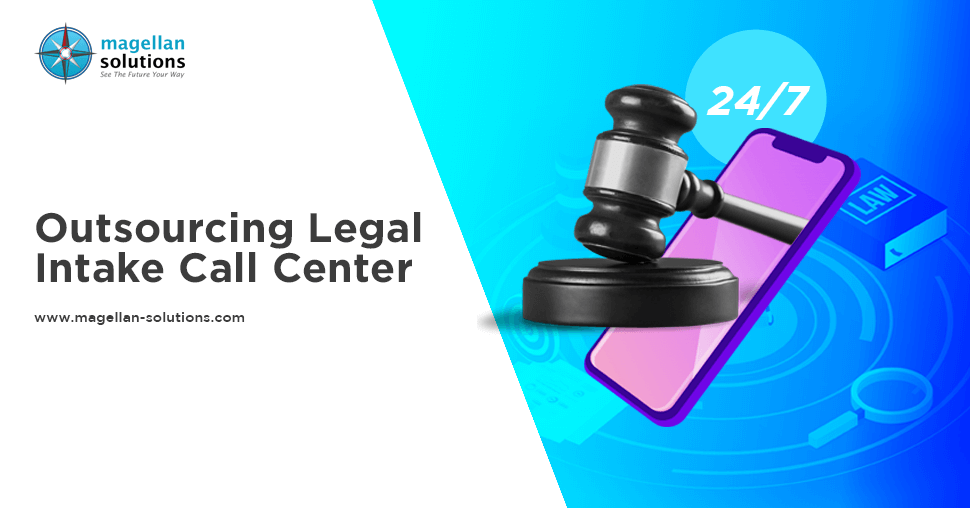
But despite the apparent need for legal counsel, 77% of those with legal issues did not get a lawyer. This leaves us all with the question of ‘why?’ For a law firm, the answer matters for a practical reason: most of that hesitation plays out before anyone signs anything, usually on the first phone call. A caller who reaches voicemail, or a receptionist with three other lines ringing, keeps their doubts and hangs up. That’s why more firms outsource legal call center services: so every caller reaches a trained person who takes the details and books a consultation with an attorney.
Why Law Firms Are Outsourcing Their Phones
Magellan Solutions believes the currently tight, post-pandemic labor pool of trained, quality legal intake professionals is hard to come by. As a result, law firms are turning to outsourcing their intake, receptionist, and onboarding services.
So why outsource your legal phone calls?
Because the reasons people give for not hiring a lawyer are the same objections your firm hears on its phone lines. Here are the three most common, and what a trained intake team does with each one on the first call.
Objection 1: “I Can’t Afford a Lawyer”
Many American citizens don’t have the budget to hire a lawyer. Depending on their specialty and experience, lawyers may cost $500 an hour. Even simple cases usually cost up to thousands, just considering legal fees. On the other hand, other more complex issues can cost three times higher than the price of a small island.
Lawyers have an extreme reputation for being pricey. As a result, people assume that hiring lawyers automatically falls out of their budget. Because of this, they don’t even give the option a second thought.
For this reason, more and more attorneys choose to move towards a flat fee system.
Meanwhile, some lawyers hesitate to gravitate towards a flat fee pricing system. This is because they fear that they may cut themselves short for the work they put in.
However, it is believed that flat-fee pricing is the expected future of law firms.
On the first call: a caller who assumes they can’t afford you is already halfway out the door. An intake agent doesn’t quote fees or argue about them. They take down the matter, ask your qualifying questions and book the consultation, where your attorney explains how the firm charges: hourly, flat fee or contingency. The caller leaves with an appointment instead of an assumption.
Objection 2: “I Don’t Know What It Will Cost”
According to market research done by our team, lawyers have terrible reputations for a lack of fee transparency. Generally, people fear when faced with the final bill being handed over to them. As a result, they avoid entirely getting an attorney.
Furthermore, clients feel their attorneys have little empathy for their situation. Their worry about how lawyers will bill them overshadows their trust. This worry sometimes becomes anxiety when they lack control over the final cost.
On the first call: uncertainty about cost is easier to live with when the next step is clear. A good intake call ends with a booked consultation and the caller’s details already in your system, so your attorney can spend the consultation on the matter and the fee rather than on collecting names and dates. The fee conversation itself stays with your attorneys, which is where callers want it.
Objection 3: “I Can Look It Up Online”
Legal self-help websites provide an extensive collection of legal information, all for free. However, self-help is not precisely a legal representation. It also does not constitute expertise in the law.
But it is understandable why consumers might consider the free alternative more than paying a lawyer.
Ultimately, a personalized approach to legal problems is much more valuable than a free alternative. What good could being free be if it can’t adapt to your needs? And even with a capable and learned lawyer and attorney, if they cannot connect emotionally, it’s not good either.
On the first call: someone who has been reading self-help sites calls with half an answer and a lot of worry. The intake agent’s job isn’t to correct them; agents never give legal advice. It’s to listen, record the facts in the caller’s own words, and get them in front of an attorney who can advise. The first call is where a caller decides whether representation is worth paying for, so it’s worth getting right.
What to Hand to an Outsourced Legal Call Center
Outsourcing works best when the firm decides how far each call should go:
- Calls that only need answering. After hours, overflow and holidays, where a legal answering service picks up in your firm’s name and takes an accurate message.
- Calls that need sorting. Solicitors, wrong practice areas and out-of-area callers, filtered by a legal call screening service before they reach an attorney.
- New-client calls you’re paying to generate. Qualifying questions, conflict-check details and a booked consultation, handled by a legal intake call center.
What stays with your firm: legal advice, fee discussions, conflict decisions and the decision to take the matter. Before you decide, it’s worth reading the pros and cons of outsourcing legal intake.
If your phones are where hesitant callers slip away, talk to us about your call coverage. We’ll start with how your calls arrive today and which of them need more than a message.